The manga

Why bother?
I’m a manga fan and I wanted to make a manga of my own. Bored of making portraits, I found the idea of a comic/manga exciting. It allows me to tell a story and challenges me artistically.
Step 1 : Planning
The project had to be completed in less than half a year, which I estimated was how long my motivation would last. Drawing more than 30 pages is already too much and would be too demanding to complete. Additionally I need time to come up with a plot, make character reference sketches and possibly more time to rework things for a final draft.
I started by filling out an A4 sheet with one scene. This would then be shrunk to make a single panel and each page has 5 or 6 panels. It takes me about 2hrs to make a single panel and I would have to draw every evening for a week to complete just one page. This obviously did not work, it was too slow.
My second problem is drawing portraits from different perspectives. I usually draw a portrait from a reference photo and the mistakes in the likeness don’t matter. People don’t usually notice. The problem with drawing a manga character lies not in quality of the drawing but rather in consistency.


Step 2 : Plot
The story had to be simple. I knew that. The entire story had to fit on a single page, the number of characters had to be minimal and it had to work just as well without dialogue. This was quite hard. My initial attempts made me cringe. I found it much easier to write something completely unrelated to me. However, every idea I could think of just did not a conflict that would be interesting to resolve.
I also felt intimidated about drawing scenes with a lot of action, on account of my poor human figure drawing skills. I finally decided to adopt a story based on the song Someday by Nickelback. I liked this song growing up. Its about a man trying to figure out what happened to him only to realize he is a ghost (it also reminds me a lot of The Sixth Sense). I made a short story involving two sisters where one of them discovers that the other is a ghost. I divided the story into scenes where each page makes a scene. I could also now estimate how much work I had to look forward to.
Step 3 : Drawing
I needed to learn to draw faces using a more fundamental approach. I found this great video by Stan Prokopenko on Youtube on drawing a head from any angle. I made a mini-project of drawing a 100 faces from different perspectives to improve my fundamentals. I had planned a second mini-project on drawing gestures, but I decided against it. Having spent considerable time already, I was eager to make more progress in the manga. However, I did make some reference sketches based on anime characters.
Drawing each panel was out of the question. I set out to directly work on a page having panels and not focus on the details in each panel. The plan was to make sufficient progress in the manga to stay motivated. Finishing the manga takes first priority. I can always return to edit it (I did not.)

Does practice make perfect?
I don’t know. I don’t even know what this adage means. You might as well say working hard is important. Not doing anything of course is not going to improve anything. So, where exactly do we stand? Before I start rambling, I would like to share a small snippet about the Florentine painter, architect and sculptor Giotto.
Pope Benedict XI in Lombardy wanted to commission Giotto to make some paintings for the Saint Peter’s Basilica in the Vatican. A emissary was sent to the different masters to take back a sample to the pope. Giotto marked a plane canvas with a drawing of a perfect red circle completely unaided. Though this seemed like a jest to the emissary, the pope realized that it was a concise way for Giotto to demonstrate his enormous technical skill, probably requiring years to master.
I struggle with drawing human faces as well as human gestures or poses. Both of which were vital to what I was trying to accomplish. I had seen concept artists portray characters in different settings and poses to tell a visual story. I wanted a representation/method to visualize and draw my own scenes. My aim is to make a small book that is a combination of art and storytelling (something like a graphic novel).
It is a lot less challenging to draw from photographs or screenshots, but having flexibility in making your characters assume different poses is very difficult. Moreover, to draw the same face from different orientations while keeping it consistent is very challenging and demanding. This motivated me to go to the fundamentals. To try to understand the anatomy and get familiar with the process. The aim for me this time was not to make good looking drawings, but to work the motions into my muscle memory.
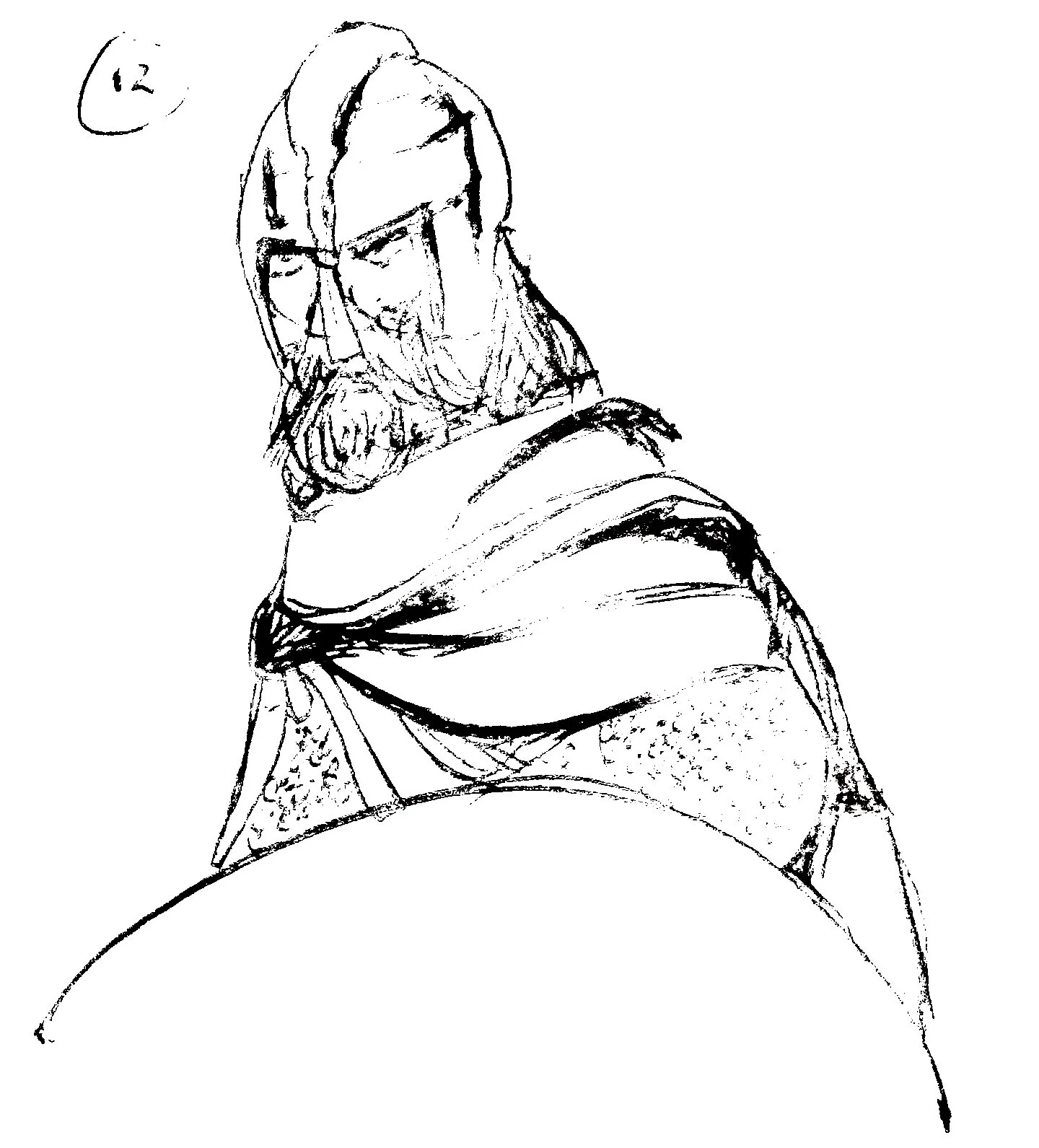
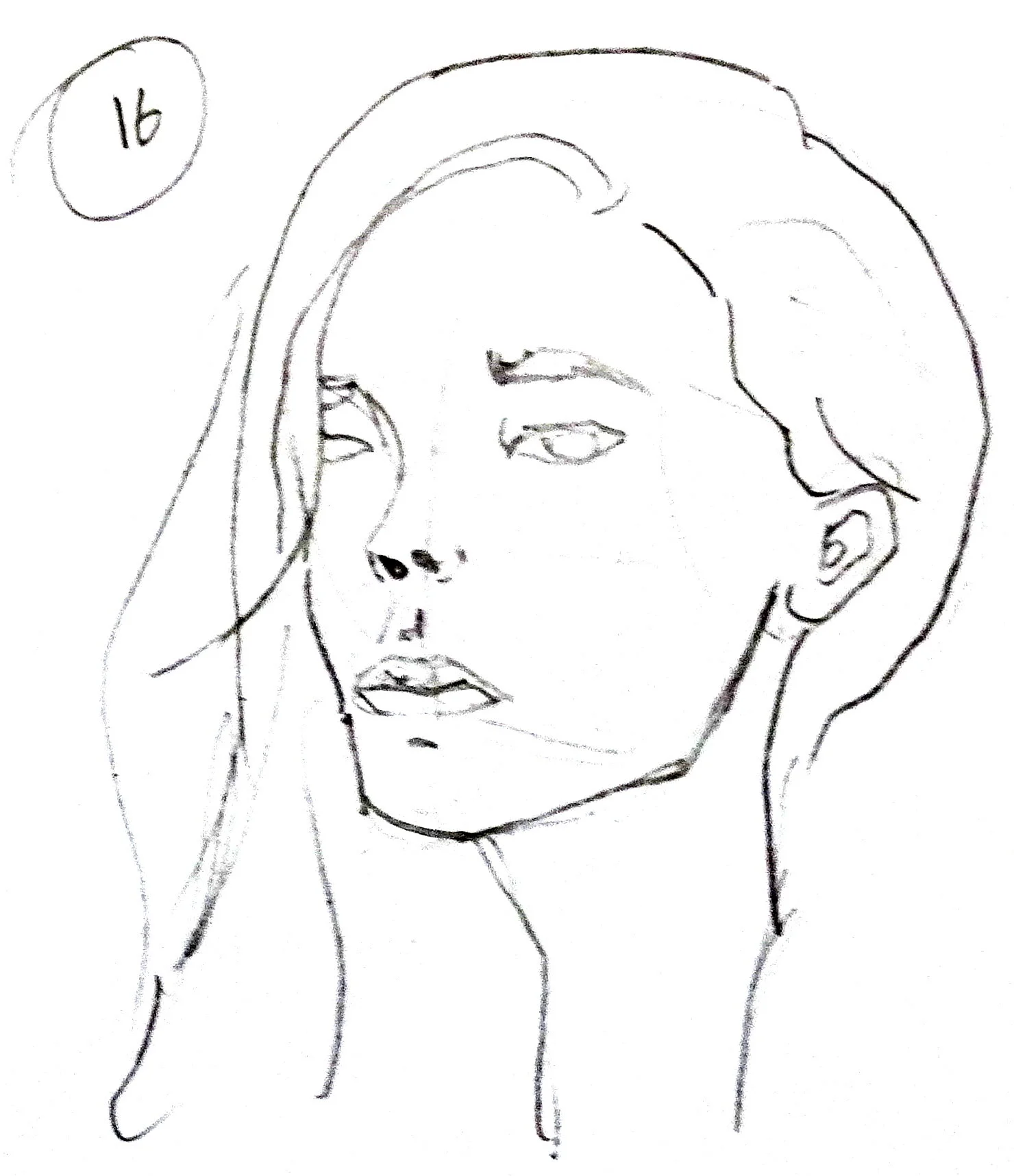

Step 4 : Finishing
Even though I could see the road to the finish line, the project was far more challenging than I had anticipated. I could not (despite all the practice) keep a face consistent. Body sketches were a disaster. There was a scene involving a car and now drawing the car from different perspectives was a nightmare. I hadn’t considered lighting at all. I missed simple rules like having characters face each other during a conversation. Some film students who lived in the same building as me, when I was in Ghent, pointed this out to me. Redrawing panels was not motivating especially considering that I would have to repeat this process for future pages. I was exhausted from the process. Looking at the work turn out to be less than perfect was hard to swallow.
I reorganized to cope with the challenge. My first priority was to finish the manga. I simplified the drawing for all the frames that were not closeups. Set a time limit for a page and tried to stick to it. I did not get the perfect pages, but it helped me complete the manga. I decided to skip the dialogues entirely and I was too tired to rework the older panels. But I had completed a 20 page manga that told a story (albeit not so clearly). This was satisfactory. I learnt a lot in the process and picked up quite a few tricks for the next time.


Outlook
I don’t feel discouraged at all about attempting this again. I rather look forward to it. There are many things I would do differently. Firstly, I am much better now and I am more confident with drawing human figures. Next, I am getting acquainted with drawing on a tablet digitally. Layering allows me to work on environments and characters independently. This also makes my character sketches reusable. The transform tools allow me to skew, stretch, flip and modify images to correct them. I initially deemed this cheating, but considering the amount of work involved, I will gladly use the tools available to me. Another tool that I aim to use is a 3D modeller/ game engine. It will make my sketches consistent and error free. I am currently working on adapting the story Nightfall by Asimov. I’m still setting up my tools and writing the script. I am not sure when I can find one or two relatively less busy months to dedicate to this. Perhaps later in the year.
Practice makes perfect


Looking at things differently
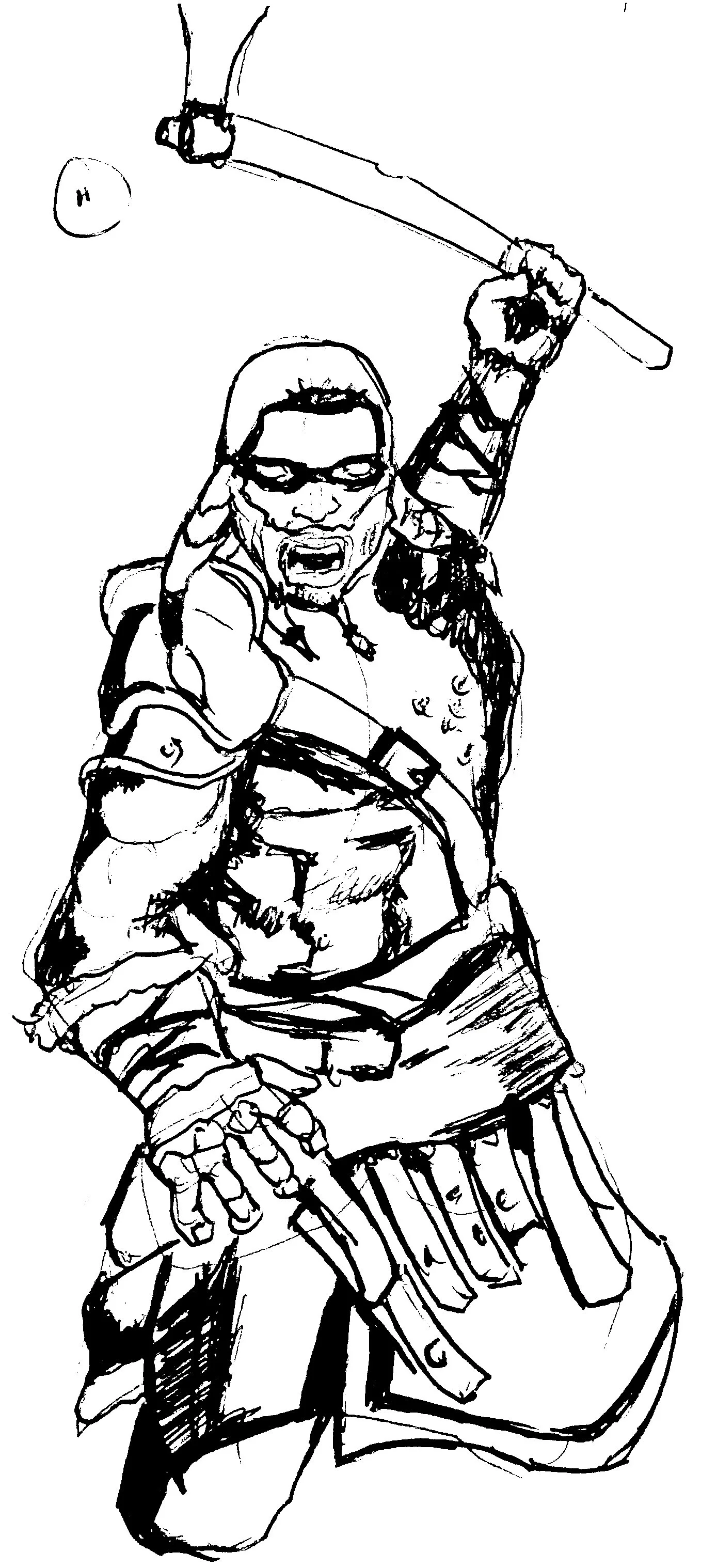
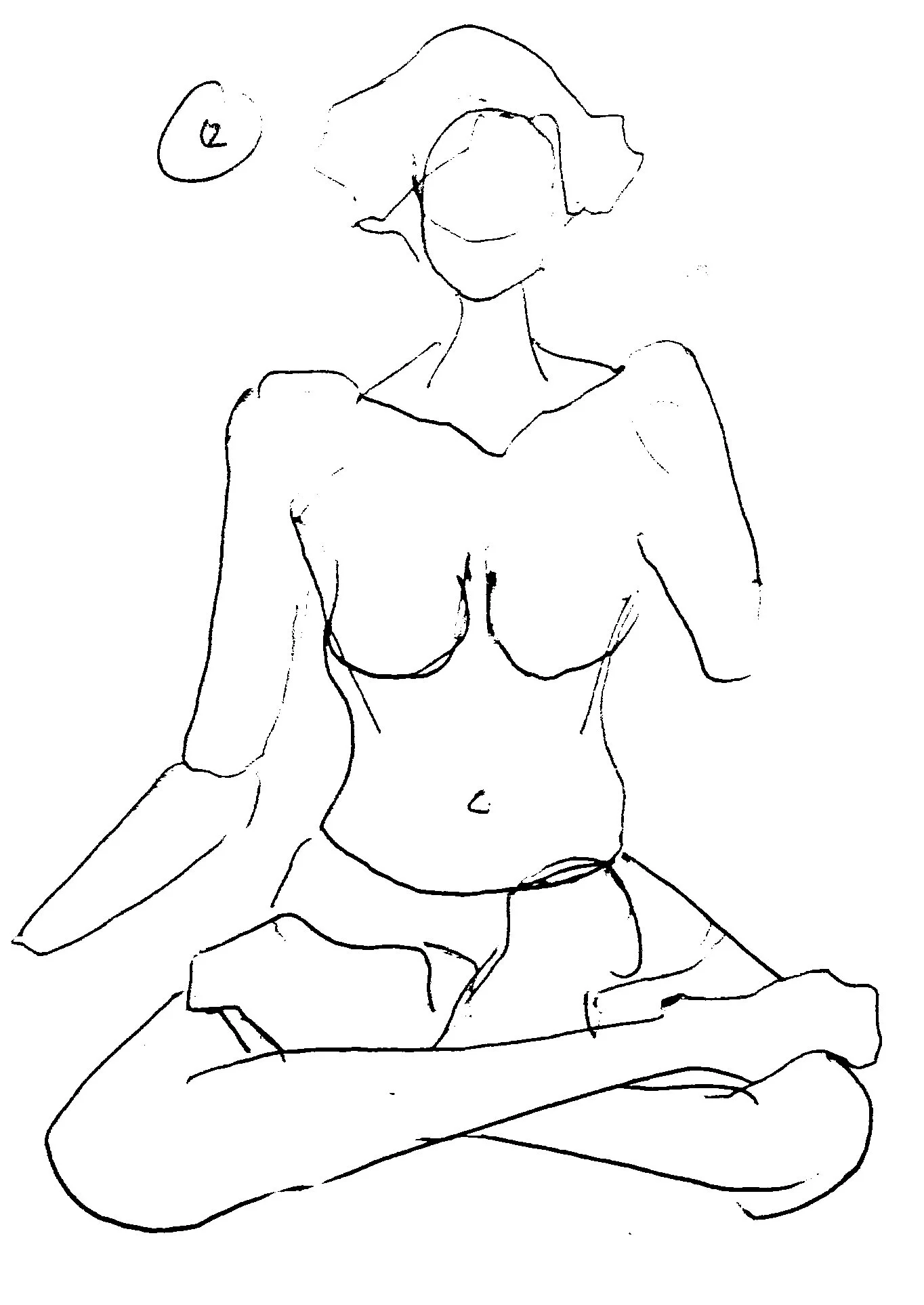
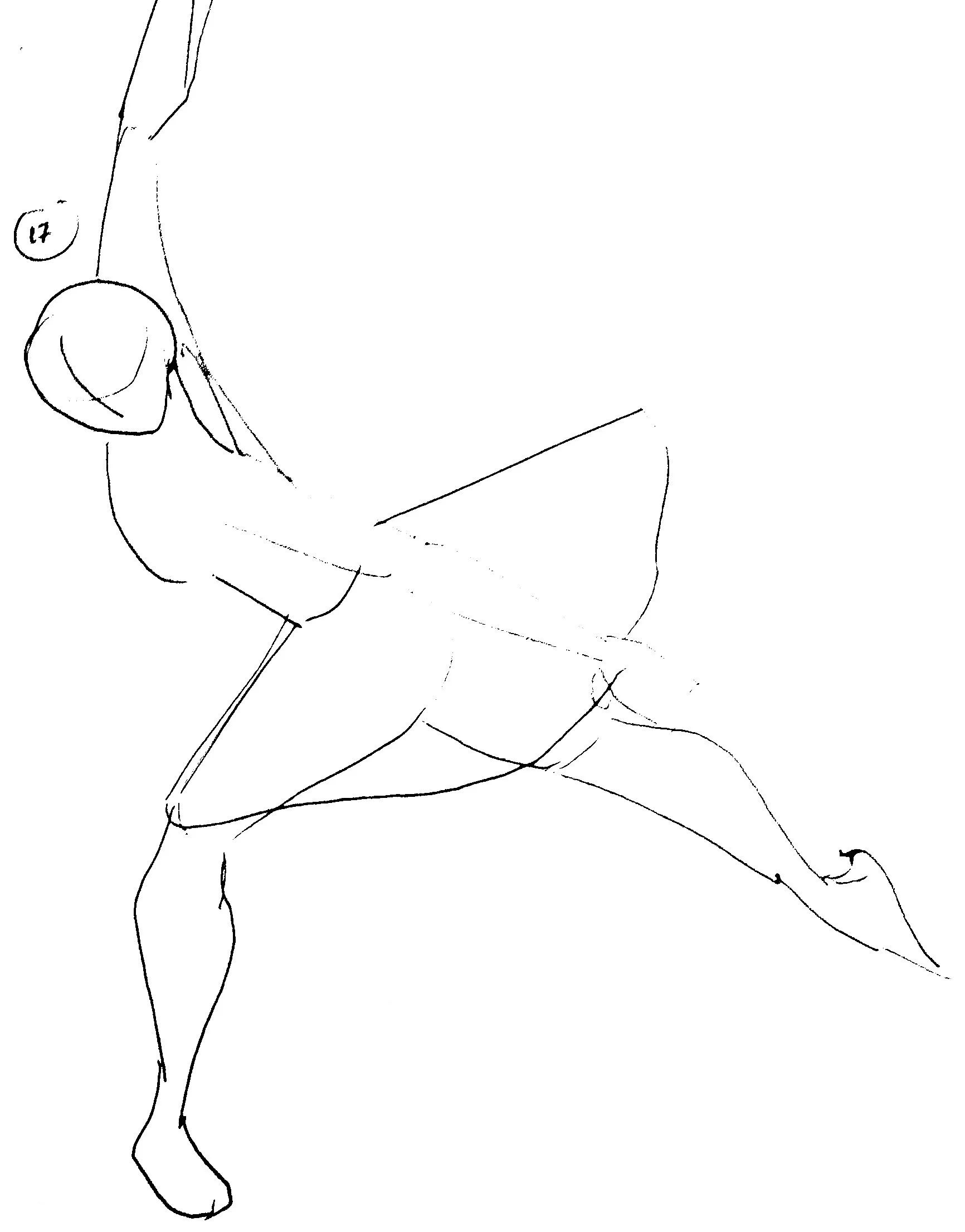
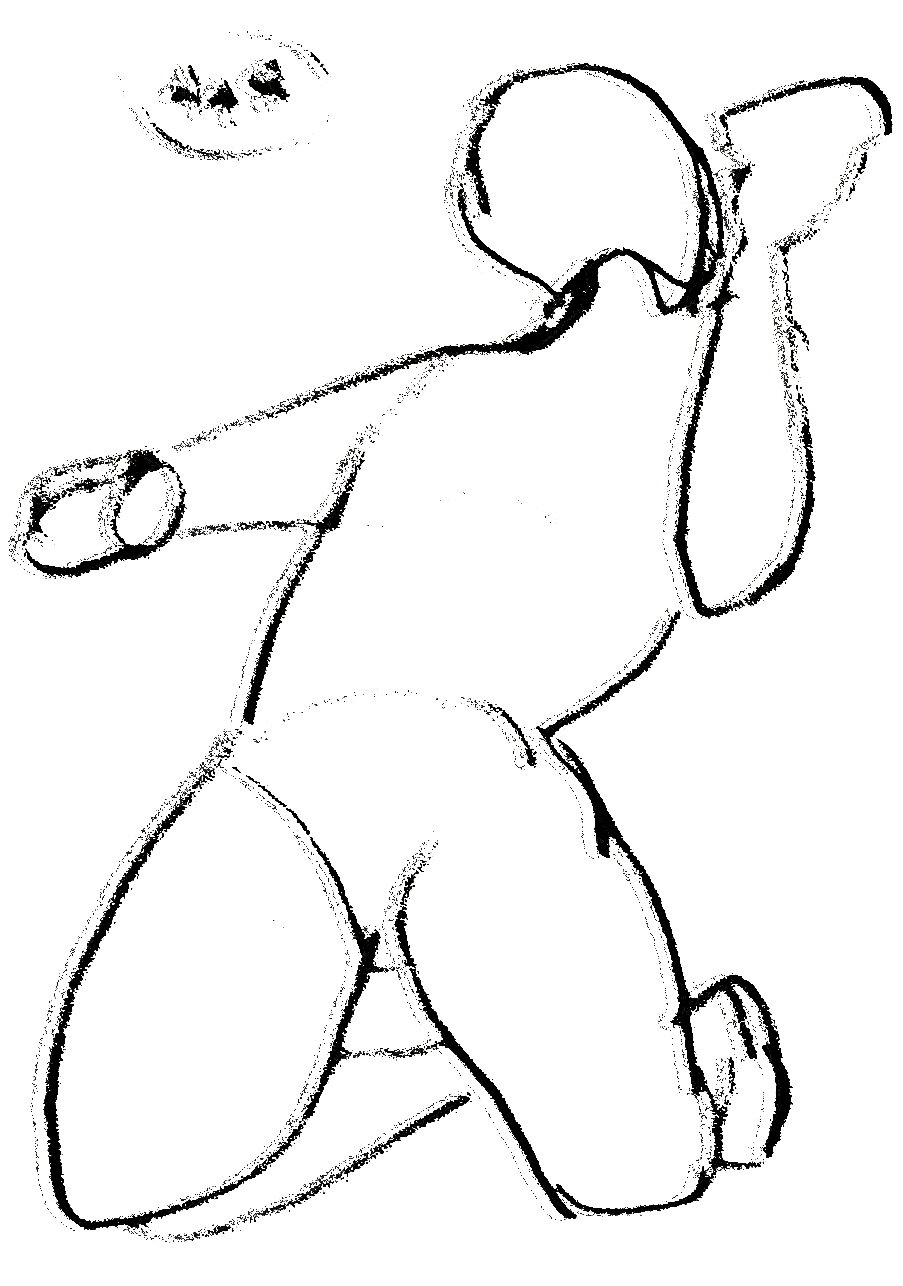
My source of learning is Youtube. I highly recommend the gesture drawing series from Stan Prokopenko. And in addition, everything else on that channel. As he puts it, gesture/rhythm/action/flow is simply the motion or movement of the body. Specifically, he is trying to emphasize the importance of gesture over detail in the sketch. An important distinction that I usually miss. While drawing from a reference, we implicitly copy some of the gesture whether we are aware of it or not. This doesn’t help me at all in drawing a character from different angles. I usually tend to focus on the detail as opposed to the underlying form.
I think that we look at things through a filter. It is really hard to pay attention to something as it exactly is. For example, a circular cylinder has a circular cross-section. However, while drawing a cylinder, the shapes we use are always ellipsoidal. Sometimes its hard to really see an ellipse while imagining a circle. Perhaps this sounds trivial or is it not clear. What this specifically translates to, is that things are counterintuitive to how we imagine them. Drawing a face from above the head or from below the chin is difficult. Depth is exaggerated here, making it counterintuitive to draw. As an exercise, just fold your arm in an odd way and try to look at it from different angles, you will see that its shape simply looks weird.
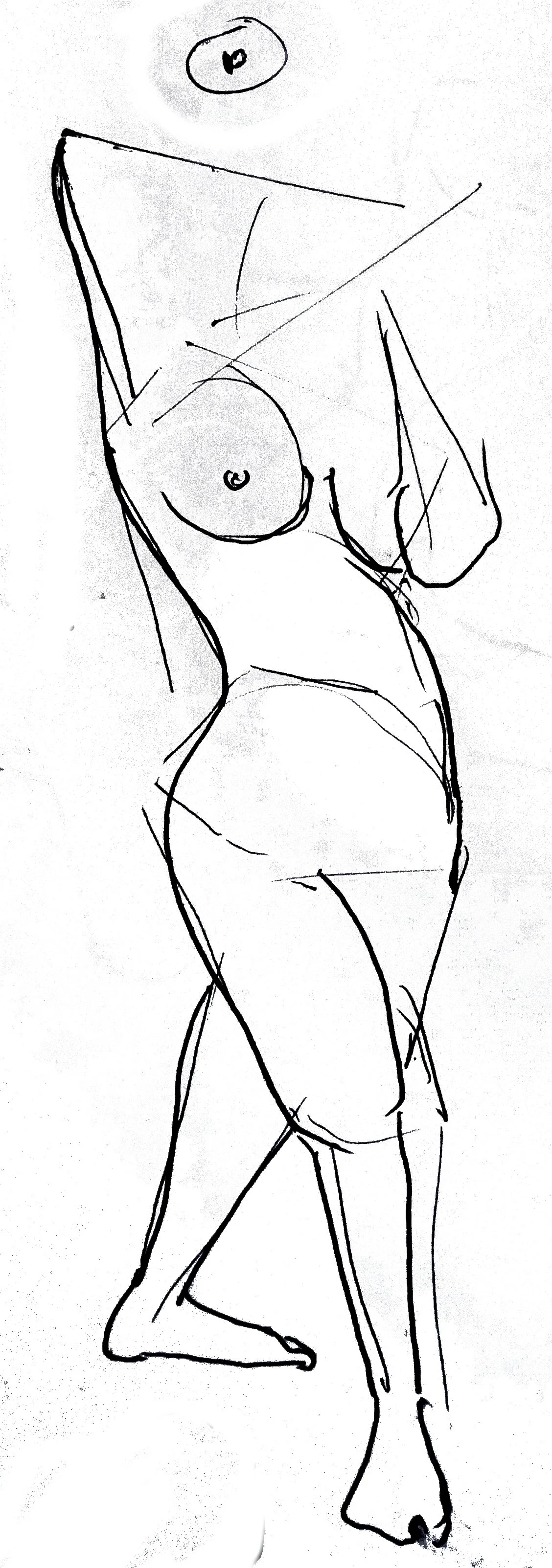
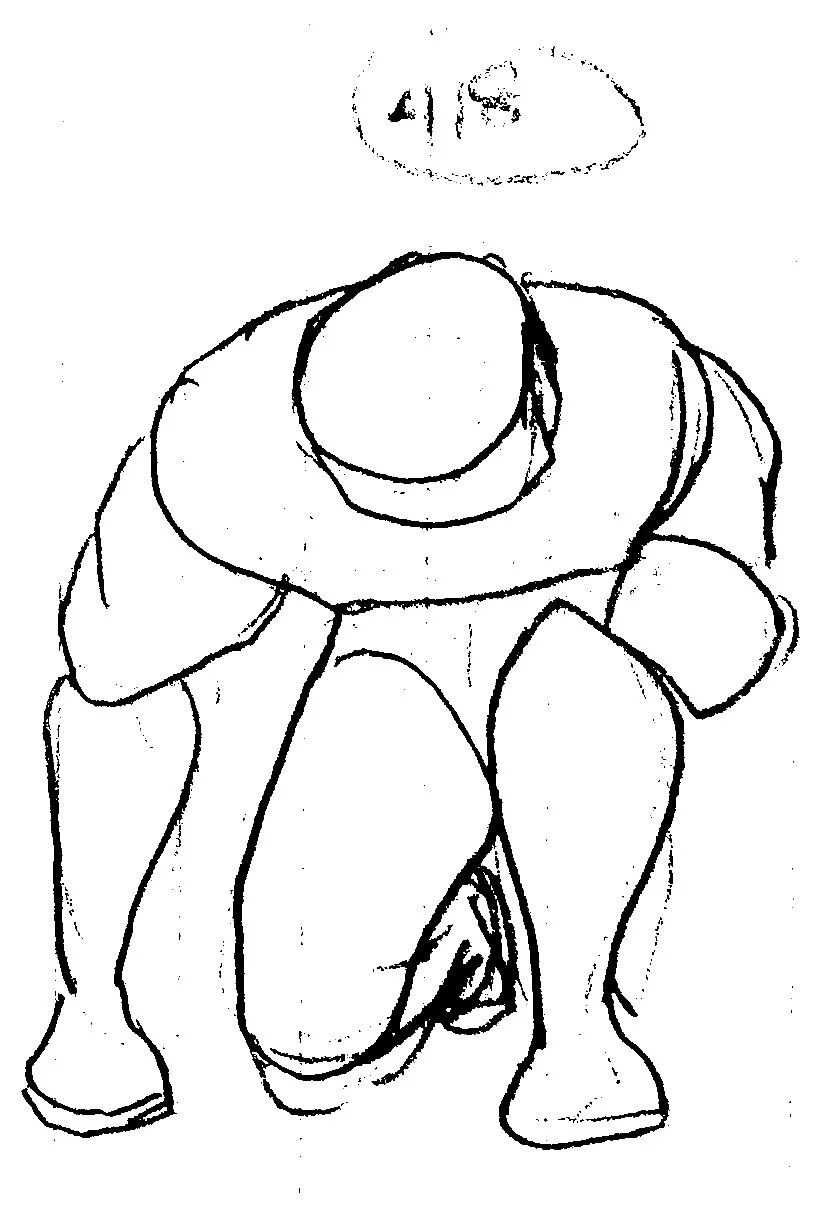
More practice is not always better
In my opinion the key thing that the adage (practice makes perfect) assumes is that you have infinite motivation to keep practicing. This is not going to work in reality when you have other things to do. I decided to create a exercise/challenge for myself that is measurable and bound with a finite end. That way I can feel that I completed something. Moreover, having a target also allows me to plan and prepare for it. I can also find the motivation to complete a challenge with a definite end.
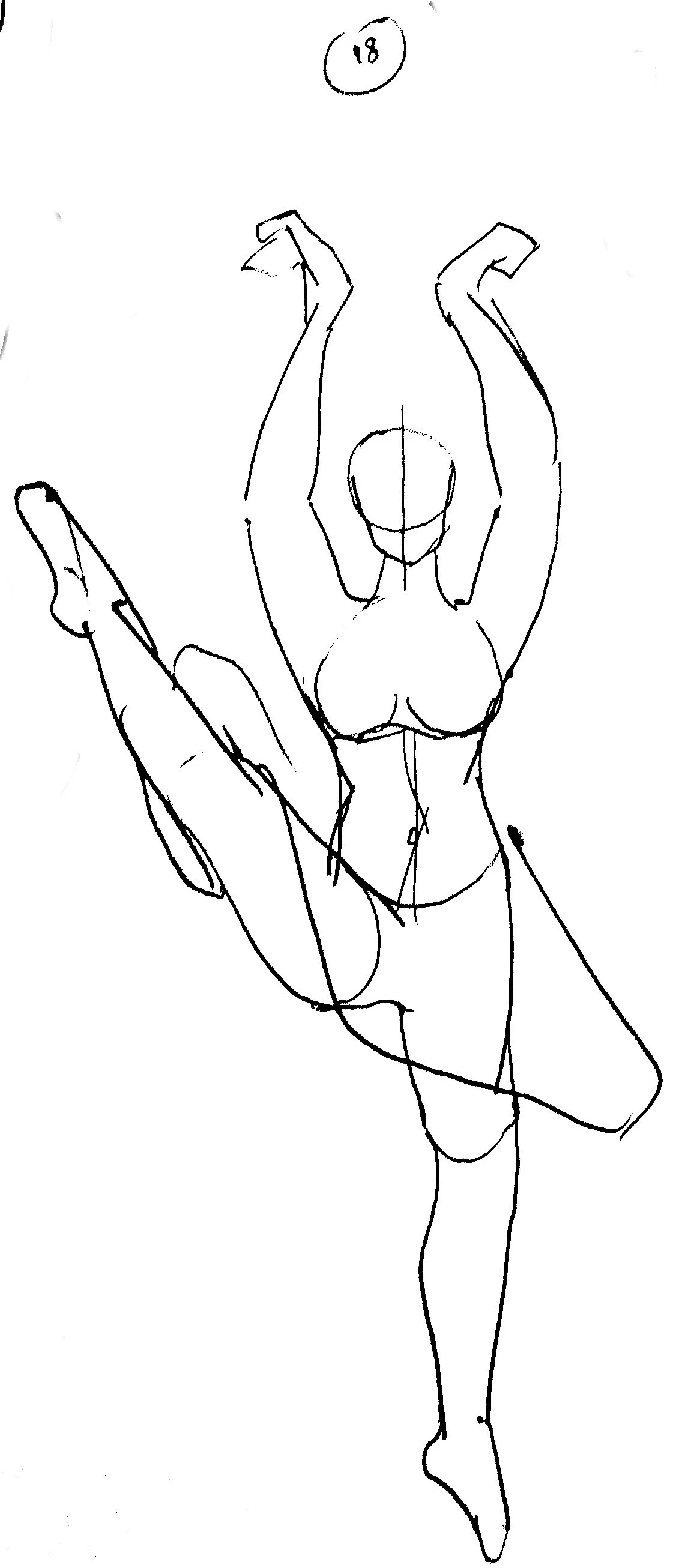
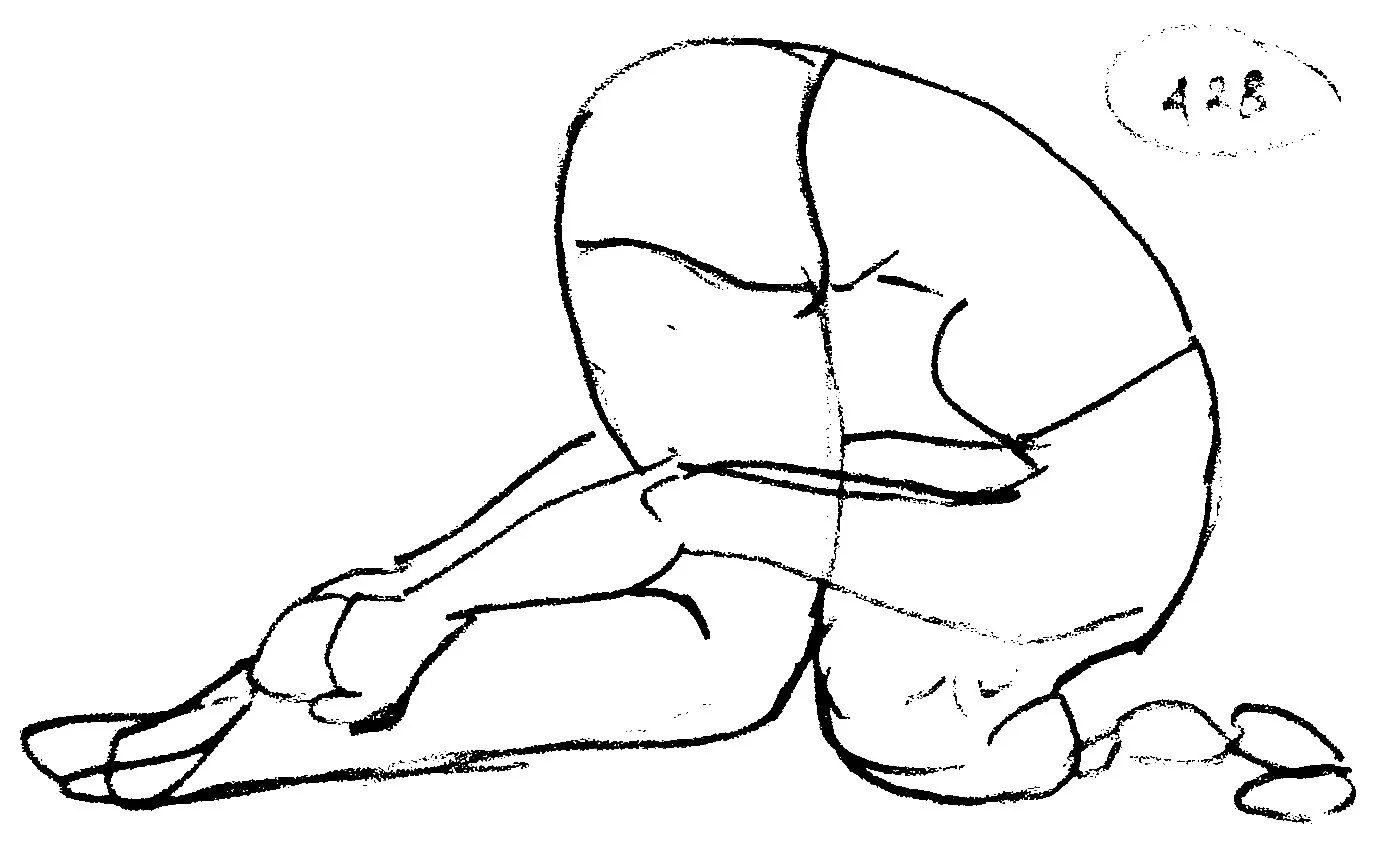
I designed two exercises, first, to draw 100 faces from different orientations and second, 500 different poses. I did not expect to come out of it drawing perfect figures, but rather I saw this as a test to gauge how much I improve by this exercise. Each drawing was designed to take between 30 sec to 10 min. This would ensure that I can complete the exercise in 3-4 months, drawing a couple of hours every week. These exercises were designed to improve how I read shape and form. Failure would simply be not completing the exercise/challenge. This takes a lot of pressure off, allowing me to stop questioning myself and simply focus on hitting my quotas.